


2026
How to Reduce the Costs of Commercial Lighting Upgrades in Vancouver
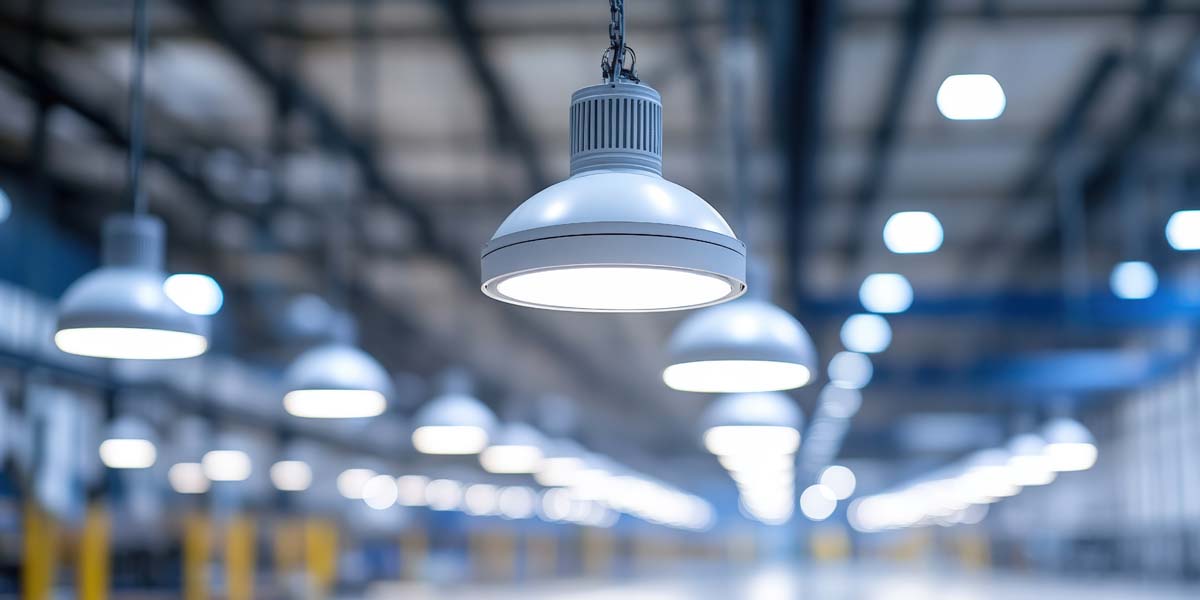
Upgrading the lighting in your commercial facility is one of the smartest investments you can make for your business. However, the initial price tag can sometimes cause hesitation for property managers and business owners. The good news is that there are proven strategies to significantly lower these upfront expenses while maximizing your long-term return on investment.
From leveraging local utility rebates to implementing smart phased approaches, you have multiple options to make this essential improvement more affordable. By understanding the available resources and planning strategically, you can transform your workspace with modern, energy-efficient illumination without draining your capital budget.
Take Advantage of BC Hydro Rebate Programs
One of the most effective ways to offset your initial investment is by utilizing the incentive programs offered by local utility providers. BC Hydro provides substantial financial support for businesses looking to improve their energy efficiency. These programs are designed to encourage the adoption of modern technology by making it financially accessible for companies of all sizes.
The Business Energy-Saving Incentives (BESI) program is a prime example of how you can recover a significant portion of your project costs. This initiative offers funding that can cover up to 25% of the upfront costs for eligible lighting projects. To maximize your benefits, it is crucial to understand the specific requirements and ensure your chosen fixtures qualify under the program guidelines.
Here are the key steps to secure BC Hydro rebates for your project:
- Verify your eligibility as a BC Hydro business account holder.
- Select approved products from the BC Hydro e.Catalog.
- Submit your application and receive pre-approval before purchasing equipment.
- Work with a registered member of the BC Hydro Alliance of Energy Professionals.
By partnering with experienced professionals who understand the intricacies of these lighting rebates, you can navigate the application process smoothly and ensure you receive the maximum funding available for your facility.
Implement a Phased Upgrade Strategy
If tackling the entire building at once seems financially daunting, breaking the project into manageable phases is a highly effective alternative. A phased approach allows you to spread the capital expenditure over several months or even years, aligning the costs with your available budget and cash flow.
Start by identifying the areas in your facility that consume the most energy or have the most outdated fixtures. High-traffic zones, warehouses, and exterior spaces often provide the fastest return on investment. By upgrading these priority areas first, you can immediately begin capturing energy savings, which can then be reinvested into subsequent phases of the project.
Consider prioritizing these areas for your initial upgrade phases:
- Parking lots and exterior security lighting.
- High-bay warehouse and industrial spaces.
- Lobbies, reception areas, and main corridors.
- 24/7 operational zones like stairwells and server rooms.
This strategic method not only makes the financial commitment more digestible but also minimizes disruption to your daily operations. You can coordinate the installation work during off-hours or slower business periods, ensuring your team remains productive throughout the transition.
Invest in Smart Lighting Controls
While upgrading to LED fixtures provides immediate energy reductions, pairing them with smart controls multiplies your savings exponentially. Advanced control systems ensure that your lights are only operating when and where they are actually needed, eliminating the waste associated with illuminating empty rooms or sunlit spaces.
Occupancy and vacancy sensors are incredibly effective in areas with intermittent use, such as restrooms, conference rooms, and storage closets. These devices automatically turn lights on when someone enters and off after a period of inactivity. Additionally, daylight harvesting systems can adjust the brightness of your interior lights based on the amount of natural sunlight entering through windows and skylights.
The integration of these smart technologies offers several distinct advantages:
- Reduces overall energy consumption by an average of 24% to 49%.
- Extends the lifespan of your LED fixtures by reducing their operational hours.
- Provides valuable data on space utilization and occupancy patterns.
- Enhances employee comfort by maintaining consistent and appropriate light levels.
Although smart controls require an additional upfront investment, the accelerated payback period makes them a financially sound decision. Many utility rebate programs also offer specific incentives for the installation of networked lighting controls, further reducing your out-of-pocket expenses.
Conduct a Comprehensive Energy Audit
Before purchasing a single fixture or pulling any wire, it is essential to understand exactly how your building currently consumes electricity. A professional energy audit provides a detailed roadmap of your existing infrastructure, highlighting inefficiencies and pinpointing the exact areas where upgrades will yield the highest financial return.
During an audit, experts will evaluate your current lighting layout, measure light levels, and analyze your utility bills. This data-driven approach ensures that your new system is custom-tailored to your specific operational needs, rather than relying on a generic, one-size-fits-all solution. It prevents you from over-illuminating spaces or installing unnecessary equipment.
The insights gained from a thorough audit allow you to make informed decisions about your commercial services needs. You can accurately forecast your projected energy savings, calculate your return on investment, and present a compelling business case to stakeholders or financial institutions if you are seeking project funding.
Choose the Right Electrical Contractor
The success and cost-effectiveness of your lighting project heavily depend on the expertise of the professionals you hire. Selecting a contractor with specific experience in commercial upgrades ensures that the job is done correctly the first time, avoiding costly mistakes, delays, and compliance issues.
A knowledgeable contractor will do more than just swap out bulbs; they will act as a strategic partner. They can help you navigate the complex landscape of utility rebates, recommend the most reliable and cost-effective products, and design a layout that maximizes both aesthetics and efficiency. Their established relationships with suppliers can also result in better pricing on materials.
When evaluating potential partners, look for these critical qualifications:
- Extensive experience with commercial and industrial lighting systems.
- Membership in the BC Hydro Alliance of Energy Professionals.
- A proven track record of successfully securing utility rebates for clients.
- Comprehensive knowledge of the Canadian Electrical Code and local Vancouver regulations.
By partnering with a reputable team, you gain peace of mind knowing that your project is in capable hands. If you are unsure what to look for in an electrician, prioritize those who offer transparent pricing, clear communication, and a commitment to long-term support and maintenance.
Evaluate Long-Term Maintenance Savings
When calculating the true cost of a lighting upgrade, it is vital to look beyond the initial purchase and installation price. Traditional fluorescent and HID systems require frequent bulb replacements, ballast repairs, and the associated labor costs. These ongoing maintenance expenses can quickly add up, especially in facilities with high ceilings or hard-to-reach fixtures.
Modern LED technology dramatically alters this financial equation. With lifespans often exceeding 50,000 hours, LEDs can operate for a decade or more without requiring replacement. This longevity virtually eliminates the routine maintenance tasks that drain your facility management budget and disrupt your business operations.
Furthermore, the durability of solid-state lighting means fewer unexpected failures and emergency service calls. When you factor in the drastic reduction in maintenance requirements alongside the monthly energy savings, the total cost of ownership for an LED system is remarkably low. This long-term financial perspective often justifies the initial capital outlay, proving that upgrading your lighting is a strategic move that pays dividends for years to come.
Illuminate Your Business for Less
Reducing the costs associated with commercial lighting upgrades in Vancouver is entirely achievable with the right approach. By actively pursuing BC Hydro rebates, implementing smart controls, and phasing your project strategically, you can significantly lower your initial expenses. Coupling these tactics with a thorough energy audit and the expertise of a qualified contractor ensures that your investment delivers maximum value.
Ultimately, upgrading your facility's illumination is not just about reducing your carbon footprint; it is a sound financial decision that improves your bottom line. The combination of immediate energy savings and long-term maintenance reductions creates a compelling return on investment. If you are ready to explore how these strategies can benefit your specific property, reaching out for a professional assessment is the perfect first step toward a brighter, more efficient future.